

Troubleshooting Common Issues with Aluminum Profiles in Kitchens
Aluminum profiles are a popular choice for kitchen cabinetry, countertops, and other applications due to their durability, ease of maintenance, and sleek appearance. However, like any material, aluminum profiles can experience occasional issues that require troubleshooting.
Corrosion
Corrosion is a common issue that can affect aluminum profiles in kitchens, especially in areas exposed to moisture and humidity. To prevent corrosion, ensure proper ventilation in the kitchen and wipe down aluminum surfaces with a damp cloth regularly. If corrosion occurs, remove it using a mild abrasive cleaner and protect the surface with a sealant or lacquer.
Dents and Scratches
Aluminum profiles are relatively durable, but they can still become dented or scratched if subjected to excessive force or impact. To avoid dents and scratches, handle aluminum profiles carefully and use soft cloths when cleaning. If dents or scratches occur, they can be repaired using a dent puller or touch-up paint that matches the profile’s finish.
Discoloration and Staining
Aluminum profiles can become discolored or stained over time due to exposure to heat, chemicals, or other substances. To prevent discoloration, avoid placing hot objects directly on aluminum surfaces and use mild cleaning agents. If discoloration occurs, remove it using a commercial aluminum cleaner or a mixture of white vinegar and baking soda.
Loose Joints and Fittings
Loose joints and fittings are another common issue that can affect aluminum profiles in kitchens. To ensure a secure connection, tighten all screws and bolts periodically. If joints or fittings continue to loosen, disassemble the affected area and apply a thread-locking compound to the fasteners.
Fading and Chalking
Aluminum profiles with an anodized finish can experience fading or chalking over time, especially if exposed to sunlight or harsh weather conditions. To prevent fading and chalking, apply a protective coating or sealant to the anodized surface. If fading or chalking occurs, remove it using a mild abrasive cleaner and reapply the protective coating.
Other Issues
In addition to the issues mentioned above, aluminum profiles in kitchens can also experience other problems, such as pitting, oxidation, or structural damage. These issues can be caused by various factors, including poor manufacturing, improper installation, or environmental conditions. To resolve these issues, consult with a qualified professional for proper diagnosis and repair.
-
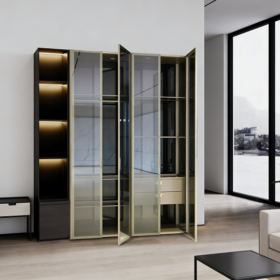 2026-03-11Freestanding Aluminum-Glass Wardrobe: Modern Elegance Meets Functional Storage
 -
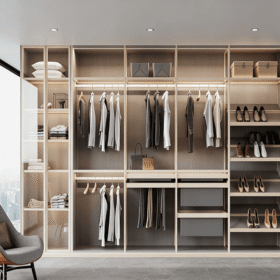 2026-03-06The Perfect Fusion of Modern Aluminum and Warm Wood Walk-In Closet Systems
 -
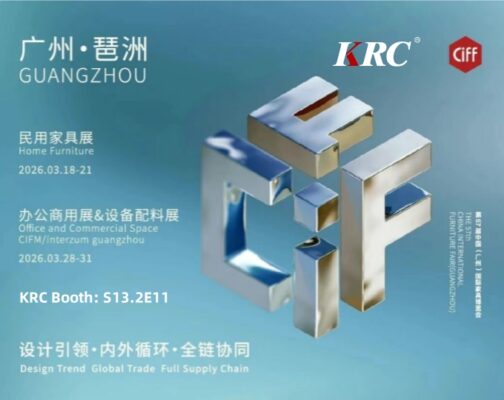 2026-02-24Invitation of KRC ClFM/Interzum Exhibition Guangzhou In 2026
 -
 2026-01-06Cabinet Pull Manufacturers: The Art of Precision in Every Detail with KRC®
-
2024-11-29Top Trends in Modern Kitchen Cabinet Pulls for 2024
-
2024-11-28The Ultimate Guide to Modern Kitchen Cabinet Pulls- Materials, Styles, and Tips
-
2024-11-27Elevate Your Kitchen Design with These Must-Have Modern Cabinet Pulls
-
2024-11-26Sleek and Stylish- The Best Modern Kitchen Cabinet Pulls for a Contemporary Look