

Factors to Consider When Selecting Aluminum Profiles for Cabinets
Aluminum profiles have become increasingly popular for use in cabinet construction due to their durability, versatility, and aesthetics. When selecting aluminum profiles for cabinets, there are several key factors to consider to ensure the best possible results.
Durability
Material: Aluminum profiles should be made of high-quality aluminum alloy, such as 6063 or 6082, which offer excellent strength and corrosion resistance.
Thickness: The thickness of the aluminum profile determines its structural integrity. For most cabinet applications, a thickness of 1.5-2.0 mm is sufficient.
Surface Treatment: Anodizing, powder coating, or painting can enhance the durability of the profile by protecting it from scratches, wear, and corrosion.
Flexibility
Extrusion Shape: Aluminum profiles can be extruded into various shapes, such as square, rectangular, or T-shaped. This allows for flexibility in design and functionality.
Cuttability: The aluminum profiles should be easy to cut and shape, using tools such as a miter saw or circular saw.
Assembly: The profiles should have compatible accessories, such as connectors and hinges, to facilitate easy assembly and disassembly.
Aesthetics
Color: Aluminum profiles are available in a wide range of colors and finishes, from brushed metal to glossy hues.
Texture: The texture of the profile can create a unique look and feel. Common textures include brushed, smooth, or grained.
Profile Design: The overall shape and design of the aluminum profile can contribute to the aesthetics of the cabinet.
Functionality
Load Capacity: The aluminum profile should be strong enough to support the weight of the cabinet doors and contents.
Thermal Insulation: Aluminum profiles with thermal breaks can prevent heat transfer, improving the energy efficiency of the cabinet.
Moisture Resistance: Aluminum is naturally resistant to moisture, but additional protection, such as gaskets or seals, may be necessary for environments with high humidity.
Cost
Material Cost: High-quality aluminum alloy profiles may be more expensive than lower-grade materials.
Extrusion Cost: The cost of extrusion can vary depending on the complexity of the profile design.
Assembly Cost: The ease of assembly and the availability of compatible accessories can impact the overall cost of the cabinet.
By carefully considering these factors, you can select the optimal aluminum profiles for your cabinet needs. The durability, flexibility, aesthetics, functionality, and cost considerations will help you make an informed decision that will result in a long-lasting and aesthetically pleasing cabinet system.
-
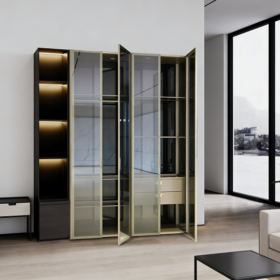 2026-03-11Freestanding Aluminum-Glass Wardrobe: Modern Elegance Meets Functional Storage
 -
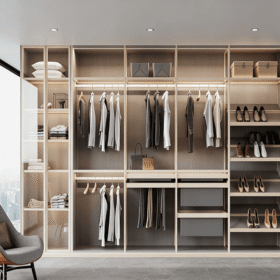 2026-03-06The Perfect Fusion of Modern Aluminum and Warm Wood Walk-In Closet Systems
 -
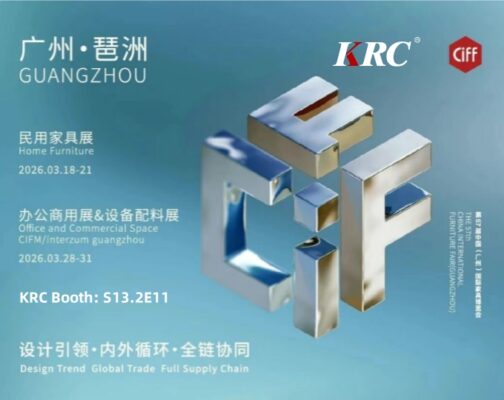 2026-02-24Invitation of KRC ClFM/Interzum Exhibition Guangzhou In 2026
 -
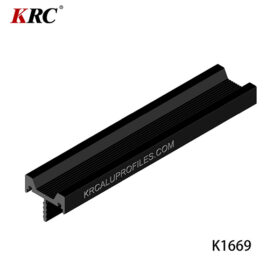 2026-01-06Cabinet Pull Manufacturers: The Art of Precision in Every Detail with KRC®

-
2024-11-29Top Trends in Modern Kitchen Cabinet Pulls for 2024
-
2024-11-28The Ultimate Guide to Modern Kitchen Cabinet Pulls- Materials, Styles, and Tips
-
2024-11-27Elevate Your Kitchen Design with These Must-Have Modern Cabinet Pulls
-
2024-11-26Sleek and Stylish- The Best Modern Kitchen Cabinet Pulls for a Contemporary Look