

How to Repair and Replace Aluminum Profiles in Your Kitchen
How to Repair and Replace Aluminum Profiles in Your Kitchen: A Guide for Homeowners
Aluminum profiles, a versatile and durable material, are commonly used in modern kitchen designs to create sleek and functional spaces. However, over time, these profiles can become damaged or worn, requiring repairs or replacements.
1. Assessing the Damage:
Before attempting any repairs or replacements, thoroughly inspect the aluminum profiles for the extent of the damage. Check for dents, scratches, or corrosion that may have compromised their structural integrity or aesthetic appeal. Note the severity of the damage and the location of the affected areas.
2. Repairing Minor Damage:
For minor dents or scratches, simple repairs can restore the profile’s appearance. Use a soft cloth and a mild abrasive cleaner to remove dirt and grime. For deeper dents, a rubber mallet and a block of wood can be used to gently tap out the dent. Avoid using sharp tools that could further damage the profile.
3. Replacing Severely Damaged Profiles:
If the damage is severe or affects the structural integrity of the profile, replacement is necessary. Measure the length and width of the damaged profile and order a replacement of the same dimensions. Carefully remove the old profile by unscrewing any mounting hardware and gently pulling it free. Align the new profile in place and secure it with screws or other appropriate hardware.
4. Removing Corrosion:
Corrosion can be a common problem for aluminum profiles in kitchens due to exposure to moisture and cleaning chemicals. To remove corrosion, use a wire brush or fine-grit sandpaper to gently scrape off the affected areas. Apply a corrosion-resistant primer or spray paint to protect the exposed metal from further damage.
5. Maintenance and Prevention:
Regular maintenance can extend the lifespan of aluminum profiles in your kitchen. Clean the profiles regularly with a damp cloth and a mild cleaner. Avoid using harsh chemicals or abrasive materials that could damage the finish. Periodically check for signs of damage or corrosion and address them promptly to prevent further deterioration.
By following these steps, homeowners can effectively repair or replace aluminum profiles in their kitchens, restoring their functionality and aesthetic appeal while ensuring a safe and hygienic cooking environment.
-
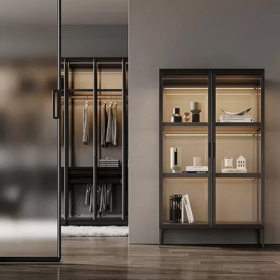 2026-04-16KRC Aluminum Gola Profiles: Seamless Handleless Cabinet Design
 -
 2026-04-10Five Regions, One Booth: KRC’s Aluminum Hardware Conquered CIFF 2026
 -
 2026-03-11Freestanding Aluminum-Glass Wardrobe: Modern Elegance Meets Functional Storage
 -
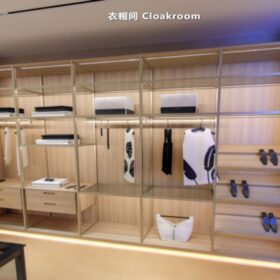
 2026-03-06The Perfect Fusion of Modern Aluminum and Warm Wood Walk-In Closet Systems

-
2024-11-29Top Trends in Modern Kitchen Cabinet Pulls for 2024
-
2024-11-28The Ultimate Guide to Modern Kitchen Cabinet Pulls- Materials, Styles, and Tips
-
2024-11-27Elevate Your Kitchen Design with These Must-Have Modern Cabinet Pulls
-
2024-11-26Sleek and Stylish- The Best Modern Kitchen Cabinet Pulls for a Contemporary Look