

How Circular Aluminum Profiles Enhance Structural Design
Circular aluminum profiles are increasingly sought after in structural applications due to their exceptional properties. This article explores the key ways in which circular aluminum profiles contribute to enhanced structural design.
Structural Rigidity and Torsional Strength
Circular sections inherently exhibit high structural rigidity, distributing loads evenly throughout their circumference. This characteristic makes them particularly suitable for structures that require high stiffness, such as load-bearing columns, beams, and trusses. The absence of sharp edges in circular profiles eliminates stress concentrations, further enhancing torsional strength and preventing premature failure.
High Strength-to-Weight Ratio
Aluminum is a renowned lightweight material with a high strength-to-weight ratio. Circular aluminum profiles capitalize on this advantage, providing excellent structural performance at a minimal weight. This attribute enables designers to create lightweight structures without compromising strength or stability, reducing material consumption and transportation costs.
Aesthetic Appeal and Flexibility
Circular aluminum profiles offer a sleek and modern aesthetic that enhances the visual appeal of structures. Their smooth, rounded surfaces eliminate sharp edges and corners, creating a visually pleasing appearance. Additionally, the flexibility of aluminum allows for bending and shaping of profiles, enabling designers to create unique and eye-catching architectural features.
Corrosion Resistance and Durability
Aluminum is highly corrosion-resistant, preventing rust and other forms of degradation. Circular aluminum profiles benefit from this exceptional characteristic, ensuring long-lasting durability in harsh environments. They are suitable for both indoor and outdoor applications, providing excellent protection against moisture, chemicals, and weather elements.
Thermal Efficiency and Energy Savings
Circular aluminum profiles possess excellent thermal conductivity. When incorporated into structures, they can contribute to energy efficiency by reducing heat loss and improving temperature regulation. The smooth surface of circular profiles facilitates efficient heat transfer, maximizing heating and cooling performance.
Sustainability and Environmental Impact
Aluminum is a sustainable and environmentally friendly material. Circular aluminum profiles utilize recycled aluminum content, minimizing waste and reducing the environmental impact associated with production. Their durability and recyclability contribute to a circular economy, promoting resource conservation and sustainability.
Conclusion
Circular aluminum profiles provide a multitude of advantages for enhancing structural design. Their inherent structural rigidity, high strength-to-weight ratio, aesthetic appeal, corrosion resistance, thermal efficiency, and sustainability make them an ideal choice for various structural applications. By leveraging the exceptional properties of circular aluminum profiles, engineers and architects can create durable, sustainable, and visually appealing structures that meet the demands of modern construction.
-
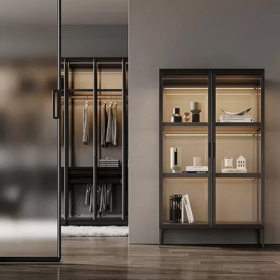 2026-04-16KRC Aluminum Gola Profiles: Seamless Handleless Cabinet Design
 -
 2026-04-10Five Regions, One Booth: KRC’s Aluminum Hardware Conquered CIFF 2026
 -
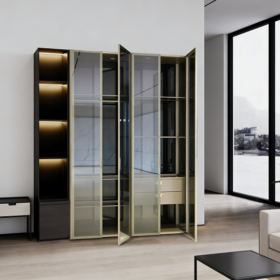 2026-03-11Freestanding Aluminum-Glass Wardrobe: Modern Elegance Meets Functional Storage
 -
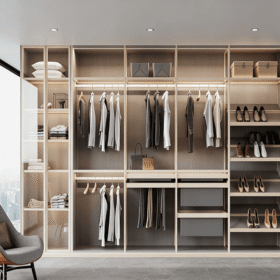 2026-03-06The Perfect Fusion of Modern Aluminum and Warm Wood Walk-In Closet Systems
-
2024-11-29Top Trends in Modern Kitchen Cabinet Pulls for 2024
-
2024-11-28The Ultimate Guide to Modern Kitchen Cabinet Pulls- Materials, Styles, and Tips
-
2024-11-27Elevate Your Kitchen Design with These Must-Have Modern Cabinet Pulls
-
2024-11-26Sleek and Stylish- The Best Modern Kitchen Cabinet Pulls for a Contemporary Look