
Enhancing Kitchen Design with Aluminum Profiles- A Complete Guide
Enhancing Kitchen Design with Aluminum Profiles: A Comprehensive Guide
Introduction
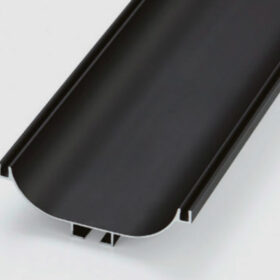
In the realm of interior design, the kitchen has emerged as a cherished space that blends aesthetics, functionality, and personal style. To elevate the kitchen’s design, aluminum profiles have garnered immense popularity as a versatile and durable material. This comprehensive guide will delve into the transformative potential of aluminum profiles for kitchen design, guiding you through their benefits, applications, and installation tips.
Benefits of Aluminum Profiles in Kitchen Design
– Durability and Longevity: Aluminum profiles possess exceptional strength and durability, ensuring they withstand the rigors of daily kitchen use. They are resistant to rust, corrosion, and staining, offering a long-lasting solution for your kitchen.
– Versatility and Flexibility: Aluminum profiles can be customized to meet specific design requirements, allowing for seamless integration into various kitchen styles and layouts. They can be fabricated into frames, panels, countertops, and other components.
– Hygienic and Easy to Clean: Aluminum is a non-porous material that does not harbor bacteria or germs. Its smooth surface allows for effortless cleaning and maintenance, promoting a hygienic kitchen environment.
– Contemporary Aesthetics: Aluminum profiles lend a modern and sleek aesthetic to kitchens. They complement both traditional and contemporary designs, adding a touch of sophistication to the space.
Applications of Aluminum Profiles in Kitchen Design
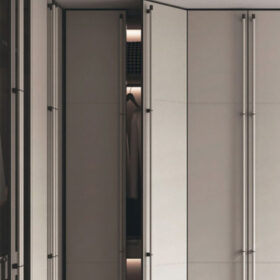
– Cabinetry and Drawers: Aluminum profiles can frame cabinetry and drawers, providing a sturdy yet lightweight structure. They enhance the overall durability and aesthetics of the kitchen, offering a wide range of finishes to match any decor.
– Panels and Splashbacks: Aluminum panels and splashbacks create a stylish and functional backsplash that protects walls from splashes and stains. They are available in various colors and textures, contributing to the kitchen’s visual appeal.
– Countertops and Workstations: Aluminum profiles can be used to create sleek and durable countertops and workstations. They provide a heat-resistant and non-porous surface that is ideal for food preparation and cleanup.
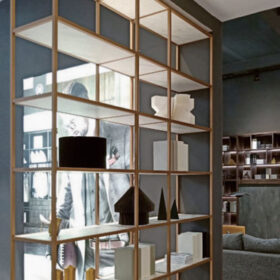
– Shelving and Storage Units: Aluminum profiles can be employed to construct practical and aesthetically pleasing shelving and storage units. These units provide ample space for cookware, utensils, and pantry items, maximizing storage capacity without compromising on style.
Installation Tips for Aluminum Profiles in Kitchens
– Measure Accurately: Measure the area where the aluminum profiles will be installed multiple times to ensure precision.
– Use Appropriate Tools: Utilize a level, tape measure, and drill to ensure proper alignment and secure installation.
– Prepare the Surface: Clean and dry the surface where the profiles will be mounted, removing any debris or imperfections.
– Apply Adhesive or Fasteners: Use strong adhesive specifically designed for aluminum or use screws and anchors for a secure connection.
– Finish the Edges: Cap the exposed edges of the profiles with matching end caps or trim pieces to provide a polished and seamless finish.
-
2024-11-29Top Trends in Modern Kitchen Cabinet Pulls for 2024
-
2024-11-28The Ultimate Guide to Modern Kitchen Cabinet Pulls- Materials, Styles, and Tips
-
2024-11-27Elevate Your Kitchen Design with These Must-Have Modern Cabinet Pulls
-
2024-11-26Sleek and Stylish- The Best Modern Kitchen Cabinet Pulls for a Contemporary Look
-
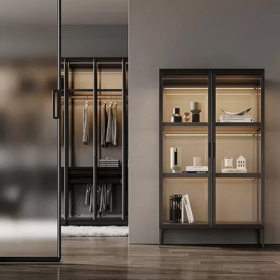 2026-04-16KRC Aluminum Gola Profiles: Seamless Handleless Cabinet Design
 -
 2026-04-10Five Regions, One Booth: KRC’s Aluminum Hardware Conquered CIFF 2026
 -
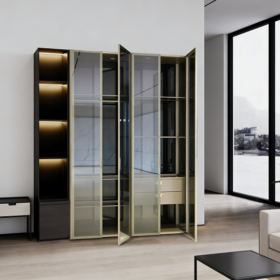 2026-03-11Freestanding Aluminum-Glass Wardrobe: Modern Elegance Meets Functional Storage
 -
 2026-03-06The Perfect Fusion of Modern Aluminum and Warm Wood Walk-In Closet Systems