

Choosing Between Different Circular Aluminum Profile Sizes
Circular aluminum profiles are widely used in various industries, from construction and architecture to manufacturing and transportation. Selecting the appropriate size for a specific application is crucial to ensure optimal performance and durability. This article provides a comprehensive guide to choosing between different circular aluminum profile sizes, considering factors such as strength, weight, cost, and specific application requirements.
Material Properties and Strength
The mechanical properties of aluminum alloys vary depending on the composition and heat treatment. For circular aluminum profiles, the thickness and diameter play a significant role in determining strength. Thicker profiles offer higher bending and torsional strength, while larger diameters provide better resistance to axial loads. Understanding the material properties and specific application requirements is essential for selecting a profile size that can withstand the expected loads and stresses.
Weight Considerations
The weight of circular aluminum profiles is a critical factor, especially for applications involving weight reduction. Smaller diameter profiles are lighter than larger ones, making them suitable for aerospace, automotive, and medical components. Weight optimization can also result in reduced shipping costs and improved energy efficiency. However, it is important to balance weight with strength requirements to ensure structural integrity.
Cost-Effectiveness
The cost of circular aluminum profiles depends on the size, alloy, and manufacturing process. Larger profiles typically require more raw material and a more complex manufacturing process, resulting in higher costs. Smaller profiles are generally more cost-effective; however, they may not provide the required strength for specific applications. It is crucial to determine the trade-offs between cost and performance before finalizing the profile size selection.
Application Requirements
The intended application plays a pivotal role in choosing the right circular aluminum profile size. Architectural applications, such as curtain walls and window frames, require profiles with specific aesthetic and strength properties. Structural applications, such as bridges and towers, demand profiles with high load capacities and corrosion resistance. Understanding the specific requirements of the application ensures that the selected profile size meets both functional and aesthetic needs.
Other Considerations
Beyond the primary factors discussed above, additional considerations may influence the choice of circular aluminum profile size. These include:
Surface treatment: Coatings, anodizing, or powder coating can impact the profile’s appearance, corrosion resistance, and wearability.
Tolerance and precision: Profiles with tighter tolerances and higher precision may be required for specific applications, affecting manufacturing costs.
Availability: The availability of specific sizes and alloys may vary depending on the supplier and manufacturing capabilities.
Conclusion
Choosing the appropriate circular aluminum profile size requires a careful evaluation of material properties, strength requirements, weight considerations, cost-effectiveness, and specific application needs. By considering all of these factors, engineers and designers can optimize the selection process and ensure that the chosen profile size meets both functional and economic requirements.
-
 2026-04-16KRC Aluminum Gola Profiles: Seamless Handleless Cabinet Design
 -
 2026-04-10Five Regions, One Booth: KRC’s Aluminum Hardware Conquered CIFF 2026
 -
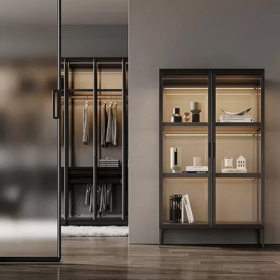
 2026-03-11Freestanding Aluminum-Glass Wardrobe: Modern Elegance Meets Functional Storage
 -
 2026-03-06The Perfect Fusion of Modern Aluminum and Warm Wood Walk-In Closet Systems
-
2024-11-29Top Trends in Modern Kitchen Cabinet Pulls for 2024
-
2024-11-28The Ultimate Guide to Modern Kitchen Cabinet Pulls- Materials, Styles, and Tips
-
2024-11-27Elevate Your Kitchen Design with These Must-Have Modern Cabinet Pulls
-
2024-11-26Sleek and Stylish- The Best Modern Kitchen Cabinet Pulls for a Contemporary Look